
Finding Harmony Through Healing
Every Tuesday, the sound of music brings people together.
Some come to play. Some come to listen. Others come for the friendships, connections, and sense of belonging they have found along the way.
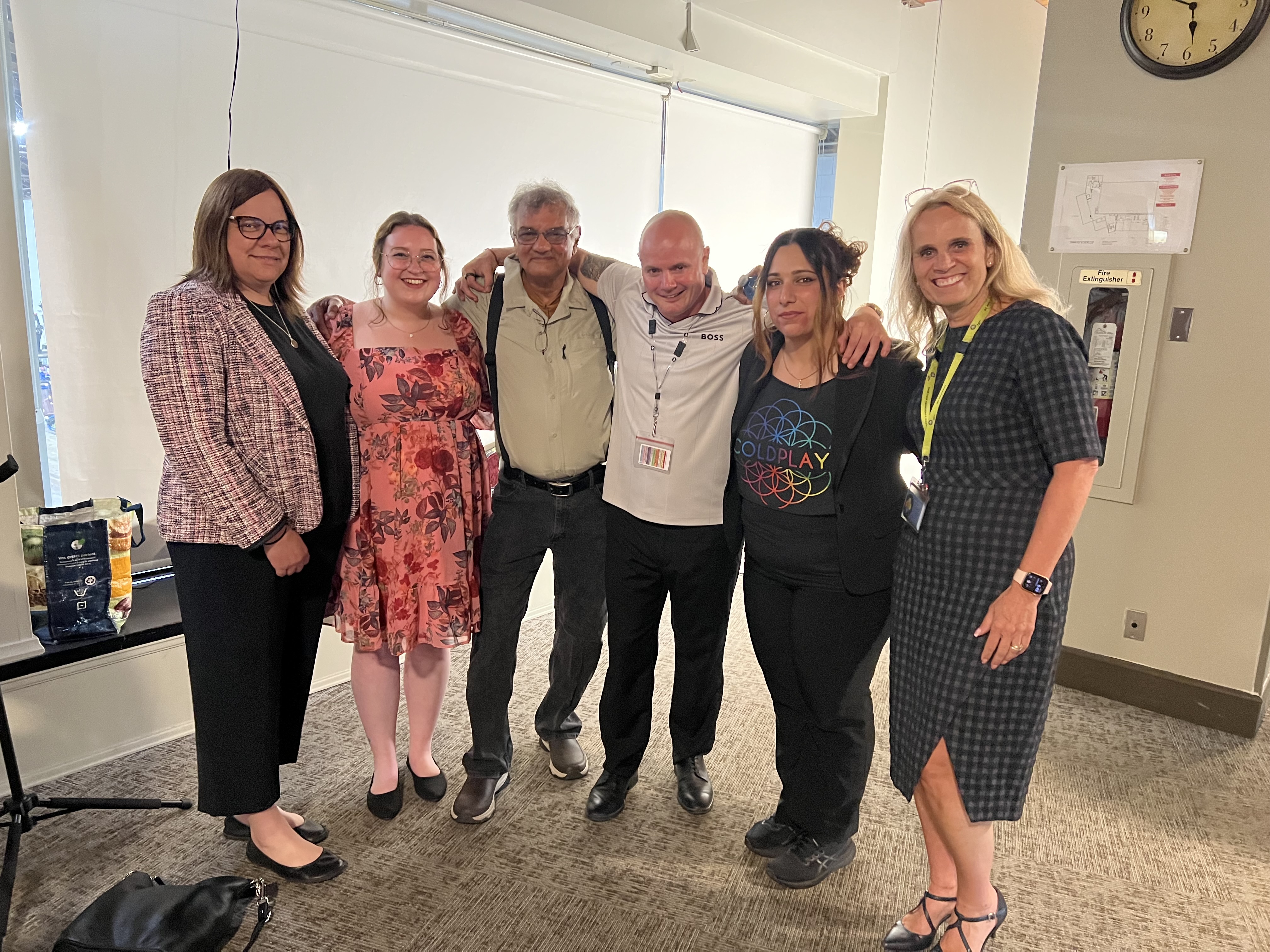
“Music may be what brings us into the room, but it’s the people who make you want to come back,” says Shakier, a longtime volunteer with the Durham Mental Health Services (DMHS) Music Therapy Program. “It becomes a personal support system. You build friendships with people who understand, care about you, and are there for one another.”
For nearly a decade, the program has provided a welcoming space where people experiencing mental health challenges can connect with others and support their emotional, cognitive, and mental well-being through music.
And for Shakier and his wife, Laura, who have been there since the beginning, that sense of support is especially meaningful.
The family first connected with DMHS while supporting their youngest son, Neil, through mental health challenges. During some of their most difficult moments, the DMHS Family Support Program was there for the entire family.
“They stood by our family through an incredibly difficult time,” says Shakier. “Having people we could turn to, who listened and helped us navigate what we were going through, meant more than I can put into words.”
When Neil died by suicide in 2016, the DMHS community continued to surround the family with compassion and support them through their grief.
Neil was a gifted and well-known musician in Durham Region. In this memory, donations from family, friends, and fans were directed to DMHS with the hope of helping other musicians experiencing mental health challenges.
The Music Therapy Program began soon afterward, and Shakier became involved as a volunteer.
For Shakier, what started as a way to honour his son has grown into something much bigger: a community. Now in its ninth year, the program continues to welcome some of its earliest participants each Tuesday.
“I’ve formed so many lasting and dear friendships through this program,” says Shakier. “There’s something powerful about knowing there’s a place you can come each week, make music, connect, and feel supported.”
The program also reflects Lakeridge Health’s Mental Health and Addictions services, which support people experiencing mental health challenges as well as their families and loved ones.
Sometimes, healing begins with knowing you do not have to navigate the journey alone. And sometimes, that connection starts with music.
Support Is Available
If you or someone you know is thinking about suicide, call or text 9-8-8. The 9-8-8: Suicide Crisis Helpline is available 24 hours a day, seven days a week. If you are in immediate danger or require urgent medical support, call 9-1-1.
Durham Region residents can also contact the Durham Mental Health Services Crisis Access Linkage Line at 905-666-0483 or 1-800-742-1890. Free and confidential support is available 24 hours a day, seven days a week.
Contact Us
Lakeridge Health
905-576-8711